cessna 182q maintenance manual
Cessna 182Q Maintenance Manual: An Overview
This manual details the upkeep of the Cessna 182Q, encompassing airframe, engine, propeller, avionics, and systems – ensuring continued airworthiness and safety․
The Cessna 182Q Skylane, a cornerstone of general aviation, demands meticulous maintenance for sustained safe operation․ This aircraft, renowned for its reliability and versatility, requires adherence to strict maintenance schedules outlined within this manual․ Understanding the 182Q’s systems – from the Lycoming O-540 engine to the intricate avionics – is paramount for any maintenance professional․
This introduction serves as a foundational guide, emphasizing the importance of detailed inspections, proper repair techniques, and accurate record-keeping․ Regular attention to components like the landing gear, control surfaces, and hydraulic systems ensures optimal performance․ Furthermore, staying current with Airworthiness Directives (ADs) is crucial for compliance and safety․ This manual aims to empower technicians with the knowledge to confidently maintain this iconic aircraft․
Scope of the Maintenance Manual
This Cessna 182Q Maintenance Manual comprehensively covers all aspects of aircraft upkeep, adhering to manufacturer specifications and regulatory requirements․ It details procedures for scheduled inspections – annual and 100-hour – alongside in-depth guidance on airframe, engine (Lycoming O-540), propeller, and avionics maintenance․
The manual extends to hydraulic systems, interior/exterior care, and crucial documentation practices, including logbook entries and weight & balance calculations․ Troubleshooting common issues like engine starting problems and electrical malfunctions is also addressed․ This resource is intended for certified aviation maintenance technicians, providing a standardized approach to ensure continued airworthiness and operational safety of the Cessna 182Q․
Airframe Maintenance
Airframe upkeep involves rigorous inspections of the fuselage, wings, control surfaces, and landing gear, alongside detailed repair procedures for structural integrity․
Inspections – Annual & 100-Hour
Comprehensive inspections are crucial for maintaining the Cessna 182Q’s airworthiness․ Annual inspections, as mandated by aviation regulations, involve a thorough examination of the entire aircraft, encompassing the airframe, engine, systems, and components․ These detailed checks ensure continued compliance with safety standards․
Furthermore, 100-hour inspections are required for aircraft utilized for hire or flight instruction․ These inspections focus on critical components and systems, providing a more frequent assessment of operational readiness․ Both inspection types necessitate detailed logbook entries documenting all findings and corrective actions․ Proper documentation is paramount for tracking maintenance history and ensuring continued safe operation of the aircraft․ Adherence to these schedules is non-negotiable for legal and safety reasons․
Fuselage Inspection & Repair
The Cessna 182Q fuselage requires meticulous inspection for structural integrity․ This includes examining the skin for dents, corrosion, and cracks, particularly around stress points like window frames and control surface attachment areas․ Internal structures, such as longerons and bulkheads, must be checked for damage or deterioration․
Repair procedures must adhere strictly to the Cessna Structural Repair Manual․ Acceptable repairs range from minor patching of small dents to more extensive reconstruction of damaged sections․ All repairs require proper surface preparation, material selection, and adherence to approved techniques․ Documentation of all repairs, including materials used and procedures followed, is essential for maintaining accurate maintenance records and ensuring continued airworthiness․
Wing Inspection & Repair
Cessna 182Q wing inspections prioritize structural health, focusing on spar caps, ribs, and skin․ Look for corrosion, cracks (especially near rivets), and evidence of impact damage․ Fuel tank integrity is crucial; inspect for leaks and ensure proper sealing․ Flap hinge points and leading edge components also demand careful scrutiny․
Repairs must follow the Cessna Structural Repair Manual precisely․ Minor skin damage may be patchable, while spar cap repairs often require specialized techniques and potentially component replacement․ All repairs necessitate proper documentation, detailing materials, methods, and a qualified technician’s approval․ Maintaining wing aerodynamic integrity is paramount for safe flight operations․
Control Surface Inspection & Rigging
Regular inspection of ailerons, elevator, and rudder is vital for Cessna 182Q flight control․ Check hinges for wear, fabric/skin for tears, and control horns for security․ Cables must be inspected for fraying, corrosion, and proper tension․ Freedom of movement, without binding, is essential․
Rigging ensures correct control surface travel and responsiveness․ Use a protractor to verify deflection angles against Cessna specifications․ Cable tension adjustments impact feel and precision; follow the maintenance manual’s guidance․ Improper rigging can lead to control issues, so meticulous attention to detail is crucial for safe operation and pilot confidence․
Landing Gear Maintenance
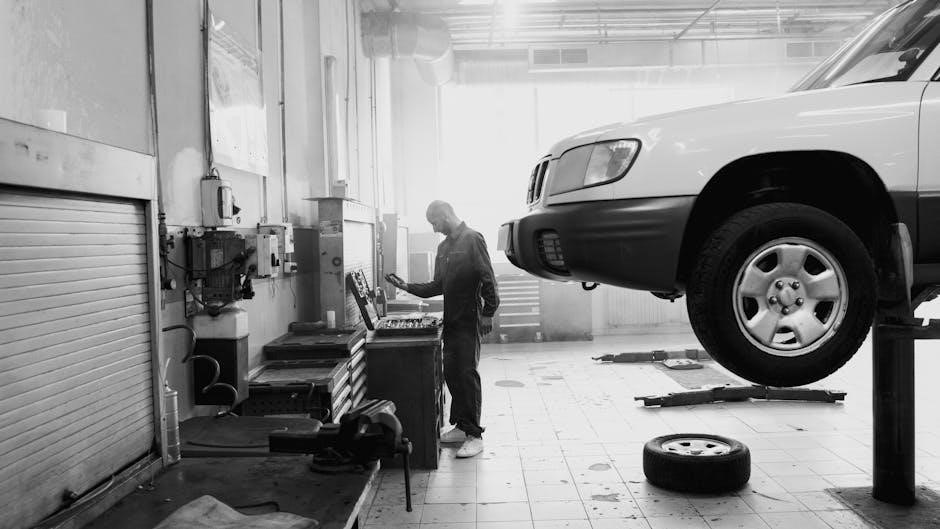
The Cessna 182Q’s landing gear requires diligent maintenance for safe operation․ Inspect tires for wear, damage, and proper inflation; check brake discs and linings for thickness and condition․ Shock struts should be examined for leaks and proper extension․ Wheel bearings need regular lubrication and inspection for play․
Pay close attention to the gear mechanism itself․ Inspect linkages for wear, corrosion, and secure attachment․ Ensure proper operation of the locking mechanism․ Thoroughly examine the gear structure for cracks or deformation․ Consistent maintenance prevents ground loops and ensures smooth landings, vital for aircraft longevity and pilot safety․

Engine Maintenance (Lycoming O-540)
Lycoming O-540 engine care is crucial․ This section covers oil changes, spark plug servicing, carburetor upkeep, magneto checks, and cylinder inspections․
Oil Changes & Filter Replacement
Regular oil changes are paramount for Lycoming O-540 longevity․ This procedure involves draining the old oil, carefully inspecting it for metal shavings – indicators of potential internal wear – and replacing it with oil meeting Cessna’s specifications․
The oil filter must be replaced with each oil change; a clogged filter restricts oil flow, potentially causing engine damage․ Proper disposal of used oil and filters is essential, adhering to environmental regulations․
Detailed torque specifications for the drain plug and filter are critical to prevent leaks․ Maintaining accurate records of oil changes, including date, oil type, and filter serial number, is a vital component of the aircraft’s maintenance logbook․
Spark Plug Inspection & Replacement
Consistent spark plug inspection is crucial for optimal engine performance․ Examine electrodes for wear, fouling, and proper gap settings – deviations indicate potential combustion issues․ Replace plugs according to the recommended time intervals, or sooner if defects are detected;
Champion or Lycoming-approved spark plugs are essential; using incorrect plugs can lead to detonation or reduced efficiency․ Torque specifications must be strictly followed during installation to ensure proper heat transfer and prevent cylinder head damage․
Detailed logbook entries documenting spark plug changes, including serial numbers and condition, are vital for tracking engine health and identifying recurring problems․
Carburetor Maintenance & Overhaul
Regular carburetor maintenance is paramount for consistent fuel delivery․ Inspect for debris, varnish buildup, and proper float level adjustments – these factors directly impact mixture control and engine smoothness․ Routine cleaning of jets and passages prevents clogging and ensures optimal airflow․
Overhaul schedules depend on flight hours and operating conditions, but typically occur every 500 hours․ A complete overhaul involves disassembly, cleaning, inspection of all components, and replacement of worn parts․
Detailed documentation of all maintenance and overhaul procedures, including parts replaced, is essential for maintaining accurate engine records․
Magneto Inspection & Overhaul
Consistent magneto performance is critical for reliable ignition․ Regular inspections should focus on points, condensers, rotors, and wiring for wear, corrosion, and proper function․ Check for proper timing and spark output on each cylinder during engine operation․ Addressing minor issues promptly prevents more significant failures․
Overhaul, typically scheduled every 500 hours, involves complete disassembly, cleaning, inspection, and replacement of worn components like brushes, bearings, and coils․
Accurate record-keeping of all magneto maintenance and overhaul details is vital for maintaining airworthiness․
Cylinder Inspection & Overhaul
Cylinder integrity is paramount for engine health․ Inspections involve checking for cracks, wear in the cylinder bore, valve guide condition, and fin damage․ Utilize borescope inspections to assess internal cylinder condition without disassembly․ Monitor oil consumption as an indicator of piston ring and cylinder wear․
Overhaul, typically around 1500-2000 hours, includes honing or boring the cylinder, replacing pistons, rings, valves, and valve guides․ Precise tolerances are crucial during reassembly․
Detailed documentation of all cylinder work is essential for tracking engine time and maintaining airworthiness․

Propeller Maintenance
Regular propeller checks are vital for flight safety․ This section covers inspection, balancing procedures, and detailed overhaul guidelines for optimal performance․
Propeller Inspection
Thorough propeller inspections are crucial for identifying potential issues before they escalate․ These inspections should be performed during annual and 100-hour checks, and more frequently if damage is suspected․ Visually examine the blades for nicks, dents, cracks, or delamination․ Pay close attention to the leading and trailing edges, as these areas are most susceptible to damage from impacts with foreign objects․
Check the propeller hub for any signs of corrosion or looseness․ Ensure all bolts are properly tightened to the manufacturer’s specifications․ Inspect the spinner for cracks or damage, and verify that it is securely attached to the propeller assembly․ Look for any oil leaks around the propeller governor and de-icing system (if equipped)․ Document all findings in the aircraft’s logbook, noting any discrepancies or required repairs․
Propeller Balancing
Maintaining propeller balance is vital for minimizing vibration and extending engine life․ Imbalance can lead to premature bearing wear, crankshaft fatigue, and reduced engine performance․ Dynamic propeller balancing should be performed whenever a propeller is overhauled, repaired, or if excessive vibration is detected during engine operation․ This process involves precisely measuring the weight distribution of each blade and adding or removing weight as needed to achieve equilibrium․
Specialized balancing equipment is required for accurate results․ After balancing, a ground run should be conducted to verify the reduction in vibration levels․ Document the balancing procedure and results in the propeller’s logbook, including the date, technician’s name, and any weights added or removed․ Regular checks are recommended․
Propeller Overhaul
A comprehensive propeller overhaul restores the propeller to a like-new condition, addressing wear and damage accumulated during service․ This typically involves a complete disassembly, thorough inspection for cracks, erosion, and distortion, and replacement of worn components like bearings, bushings, and de-icing boots if equipped․ Blades are inspected for structural integrity and may be repaired or replaced as necessary․
After reassembly, the propeller is dynamically balanced to minimize vibration․ Overhaul intervals are dictated by manufacturer recommendations and regulatory requirements, often based on time or total operating hours․ Detailed records of the overhaul, including parts replaced and work performed, must be maintained in the propeller’s logbook․
Avionics & Electrical Systems
This section covers inspection, maintenance, and troubleshooting of all avionics and electrical components, ensuring reliable operation and adherence to safety standards․
Battery Maintenance & Replacement
Regular battery checks are crucial for reliable Cessna 182Q operation․ This includes visual inspections for corrosion around terminals, ensuring connections are tight, and verifying proper electrolyte levels in lead-acid batteries․ Specific gravity testing provides insight into battery health and charge status․
Maintenance procedures involve cleaning terminals with a baking soda solution and applying corrosion preventative compounds․ Replacement should occur when the battery fails load testing or exhibits diminished capacity․ Always use a battery type approved for the Cessna 182Q, following manufacturer’s instructions for installation and disposal․ Proper torque values for terminal connections are essential to prevent issues․
Record all battery maintenance and replacement activities in the aircraft logbook․
Wiring Harness Inspection
Thorough inspection of the Cessna 182Q’s wiring harness is vital for preventing electrical malfunctions․ This involves a detailed visual check for chafing, fraying, corrosion, and loose connections throughout the aircraft․ Pay close attention to areas prone to wear, such as near control surfaces and moving parts․
Inspect wiring for proper support and routing, ensuring it isn’t stressed or damaged․ Look for signs of overheating, such as discolored insulation․ Any damaged wiring must be repaired or replaced using approved materials and techniques․ Proper grounding is also critical for system functionality and safety․
Document all inspection findings and corrective actions in the aircraft’s maintenance records․
Transponder & Radio Inspection
Regular inspection of the Cessna 182Q’s transponder and radio systems is crucial for reliable communication and air traffic control interaction․ This includes verifying proper operation of all communication and navigation radios, as well as the transponder’s ability to encode and transmit altitude information accurately․
Check antenna connections for security and corrosion, ensuring optimal signal transmission․ Verify that all controls function smoothly and that audio clarity is acceptable․ Perform a functional test of the transponder, confirming it responds correctly to interrogation․
Document all inspection results and any necessary repairs in the aircraft’s logbooks․
Pitot-Static System Inspection
The Cessna 182Q’s pitot-static system is vital for accurate airspeed, altitude, and vertical speed indications․ Thorough inspection involves checking all lines for leaks, kinks, or obstructions, ensuring unimpeded airflow to the instruments․ Inspect static ports and pitot tube openings for blockage from insects or debris․
Perform a static system leak check using a calibrated leak tester, verifying system integrity․ Confirm proper instrument readings at various altitudes and airspeeds during a flight test, if possible․
Document all findings and corrective actions in the aircraft’s maintenance records․

Hydraulic Systems
This section covers maintenance of the Cessna 182Q’s hydraulic brake system and flap actuation system, ensuring optimal performance and reliability for safe operation․
Brake System Maintenance

Regular inspection of the Cessna 182Q brake system is crucial for safe landings․ This includes checking brake lines and hoses for leaks, damage, or wear, ensuring proper fluid levels with DOT 5 silicone brake fluid, and verifying the condition of brake pads for sufficient material․
Inspect the brake rotors for scoring, cracks, or excessive wear․ Bleeding the brake system is necessary to remove air, maintaining firm pedal feel․ Torque checks on all brake assembly components are vital․
Pay close attention to the master cylinders and calipers, looking for signs of corrosion or malfunction․ Proper maintenance extends component life and ensures reliable stopping power during all phases of flight․ Detailed procedures are outlined for disc replacement and fluid flushing․
Flap Actuation System Maintenance
Maintaining the Cessna 182Q’s flap system ensures proper lift augmentation during takeoff and landing․ Regular inspection involves checking the flap linkage, hinges, and actuators for smooth operation and freedom from binding․ Examine the control cables for fraying, corrosion, and proper tension․
Lubricate all moving parts according to the manufacturer’s specifications․ Inspect the flap position indicators in the cockpit for accuracy․ Verify secure attachment of the flap skins and leading edges․
Address any discrepancies immediately, as flap malfunctions can severely impact flight performance․ Detailed procedures cover cable adjustment, hinge pin replacement, and actuator inspection, guaranteeing reliable flap deployment and retraction․

Interior & Exterior Maintenance
This section covers preserving the Cessna 182Q’s aesthetic and protective qualities, including seat repair, window replacement, paint upkeep, and corrosion prevention procedures․
Seat & Upholstery Repair
Maintaining the Cessna 182Q’s interior involves careful attention to seat and upholstery condition․ Regular inspections should identify wear, tears, or damage to the fabric and foam․ Minor tears can often be repaired with specialized aviation upholstery patches and adhesives, ensuring a secure and aesthetically pleasing fix․
For more significant damage, complete reupholstering may be necessary, utilizing FAA-approved materials that meet flammability standards․ Foam replacement is crucial for maintaining seat comfort and structural integrity․
Proper cleaning with aviation-specific cleaners prevents deterioration and staining․ Always consult the aircraft’s maintenance manual for approved materials and procedures to ensure compliance and safety․ Addressing upholstery issues promptly extends the life of the seats and enhances passenger comfort․
Window & Plexiglass Replacement
Cessna 182Q window and plexiglass maintenance is critical for visibility and structural integrity․ Regular inspections should reveal scratches, cracks, or discoloration affecting pilot vision․ Minor scratches can sometimes be polished, but deeper damage necessitates replacement with FAA-approved aviation-grade plexiglass․
Replacement requires careful removal of the old material, thorough cleaning of the frame, and precise installation of the new plexiglass using appropriate sealants to prevent leaks․
Proper installation ensures a secure fit and prevents stress cracks․ Always adhere to the aircraft’s maintenance manual for specific procedures and approved materials․ Maintaining clear windows is paramount for safe flight operations and pilot situational awareness․
Paint & Corrosion Control
Maintaining the Cessna 182Q’s paint and addressing corrosion are vital for longevity and value․ Regular washing removes contaminants that can degrade the paint and accelerate corrosion․ Inspections should focus on areas prone to corrosion, like around fasteners, joints, and leading edges․
Early detection of corrosion allows for localized treatment, preventing widespread damage․ Paint serves as a protective barrier, so touch-ups and complete repainting are essential․
Use aviation-approved paints and corrosion inhibitors․ Proper surface preparation is key for paint adhesion․ Consistent corrosion control extends the airframe’s life and maintains its structural integrity, ensuring continued safe operation․
Records & Documentation
Accurate logbook entries, weight & balance records, and Airworthiness Directives (ADs) compliance are crucial for tracking maintenance and ensuring continued airworthiness․
Logbook Entries
Maintaining detailed and accurate logbook entries is paramount for any Cessna 182Q․ Each inspection, repair, alteration, or preventative maintenance task must be meticulously documented․ Entries should include the date, a precise description of the work performed, the mechanic’s certification number, and their signature․
Proper logbook keeping isn’t merely a regulatory requirement; it’s a historical record of the aircraft’s life, vital for tracking recurring issues, demonstrating compliance with Airworthiness Directives, and maintaining resale value․
Separate logbooks should be maintained for the airframe, engine, and propeller, each detailing work specific to that component․ Consistent and thorough documentation builds confidence in the aircraft’s airworthiness․
Weight & Balance Calculations
Accurate weight and balance calculations are critical for safe Cessna 182Q operation․ Any modification, repair, or addition of equipment alters these parameters, demanding recalculation․ The manual provides baseline empty weight and center of gravity (CG) data․
Pilots must determine the weight and balance before each flight, considering fuel, oil, passengers, and baggage․ Exceeding weight limits or operating outside the CG envelope compromises stability and control․
Detailed procedures and sample calculations are included, emphasizing the importance of using current data and adhering to established formulas․ Regular updates are essential to maintain compliance․
Airworthiness Directives (ADs)
Compliance with Airworthiness Directives (ADs) is mandatory for continued Cessna 182Q airworthiness․ These directives, issued by aviation authorities, address safety concerns and require specific inspections, repairs, or modifications․
The maintenance manual details how to identify applicable ADs for the aircraft’s serial number and configuration․ It provides step-by-step instructions for performing the required actions, referencing official documentation․
Maintaining a current record of all completed ADs in the aircraft’s logbooks is crucial․ Failure to comply with ADs can result in grounding of the aircraft and potential safety hazards․
Troubleshooting Common Issues
This section aids in diagnosing frequent Cessna 182Q problems, covering engine starting, electrical malfunctions, and flight control difficulties for swift resolution․
Engine Starting Problems
Addressing engine starting issues in the Cessna 182Q requires a systematic approach; Begin by verifying adequate fuel supply and checking the fuel selector valve position․ Inspect the battery’s charge and connections, ensuring sufficient cranking power․ A weak battery is a frequent culprit․
Next, examine the magneto system; faulty magnetos can prevent ignition․ Confirm spark plug condition – fouled or worn plugs hinder starting․ Investigate the carburetor for potential icing or blockage, especially in colder temperatures․
Low oil pressure can also inhibit starting, so check the oil level․ Finally, assess the primer’s functionality; improper priming can lead to either a flooded or lean start condition․ Thorough troubleshooting, guided by the maintenance manual, is crucial for safe and reliable operation․
Electrical System Malfunctions
Diagnosing electrical issues in the Cessna 182Q demands careful inspection of the wiring harness for damage, corrosion, or loose connections․ Begin with the battery; check its charge and ensure secure terminals․ Examine the alternator and voltage regulator for proper output, as insufficient charging can cause widespread problems․
Inspect circuit breakers and fuses – tripped breakers or blown fuses indicate overloads or shorts․ Verify the functionality of avionics, lights, and other electrical components․ A multimeter is essential for tracing voltage drops and identifying faulty wiring;
Pay close attention to ground connections; poor grounding can lead to intermittent malfunctions․ Refer to the wiring diagram in the maintenance manual for accurate troubleshooting and repair procedures․
Flight Control Issues
Addressing flight control problems in the Cessna 182Q requires a systematic approach, starting with a thorough inspection of control surfaces – ailerons, elevator, and rudder – for freedom of movement and damage․ Check hinges, control cables, and bellcranks for wear, looseness, or binding․ Ensure proper cable tension and rigging according to the aircraft’s specifications․
Inspect the control column and rudder pedals for excessive play․ Verify the functionality of trim tabs and their associated actuators․ Look for any signs of corrosion or structural damage to control system components․
Any unusual resistance or sluggishness in control movement warrants immediate attention and potential replacement of worn parts․